 Elkhound
Norwegian Elkhound training. Viking roots, family manners.
Reward-based training for a bold, bark-happy Nordic dog who is loyal to the core.
10 challenges, three levels
Real Elkhound problems, each with a clear way through. Start at level one and work up.
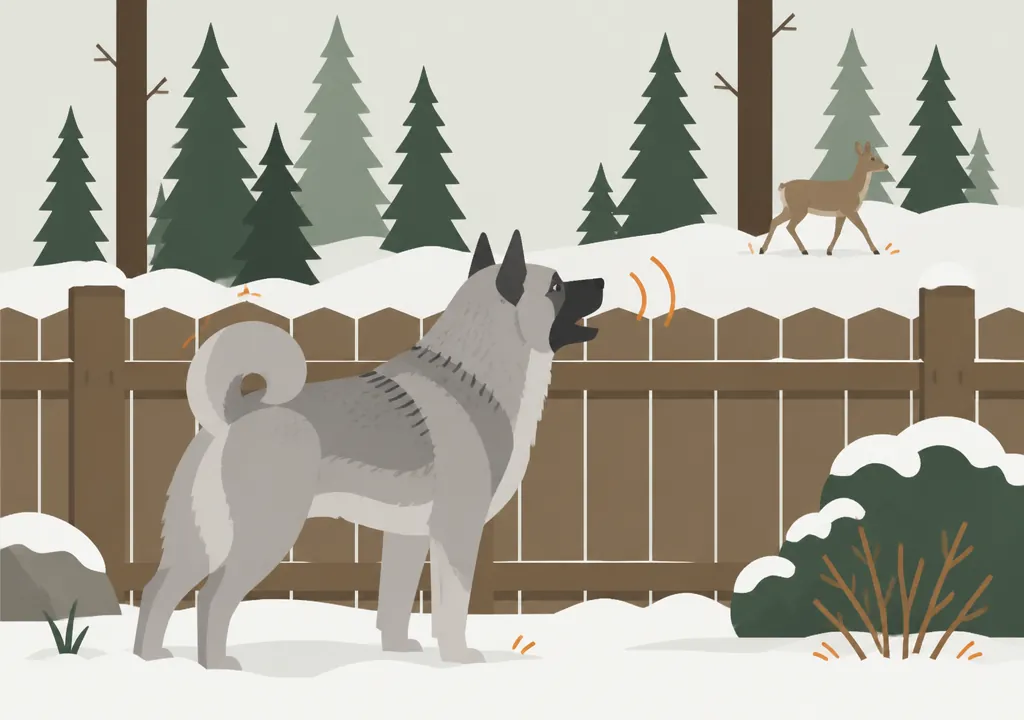 Barking at the fence
Elkhounds bark to hold what they find. Teach quiet.
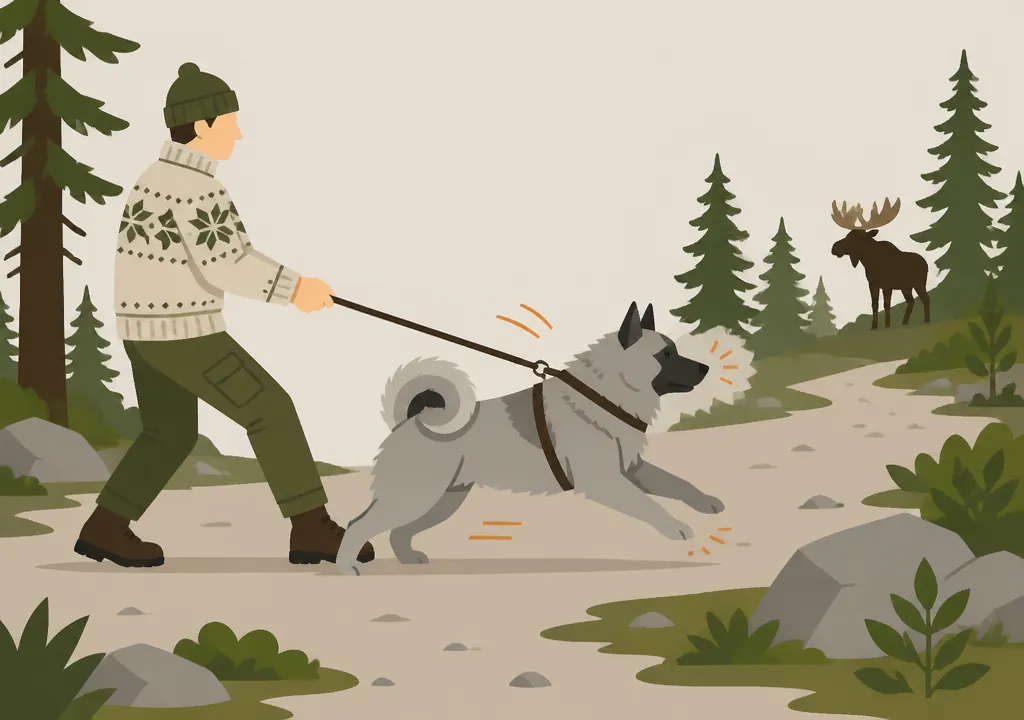 Pulling toward wildlife
A loose leash for a dog with a strong chase instinct.
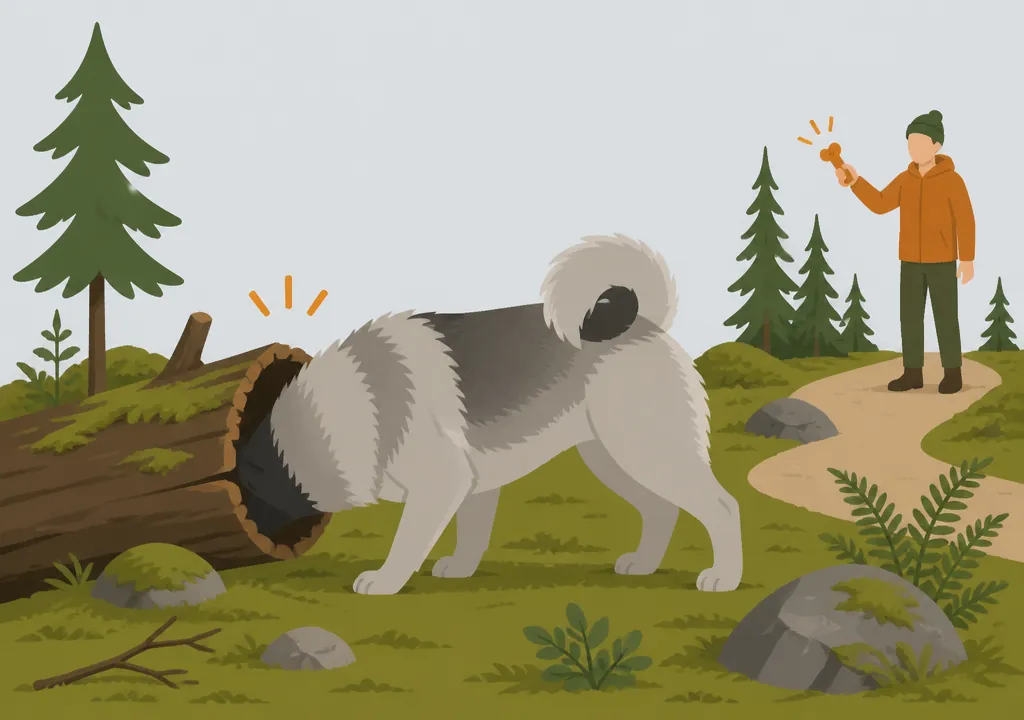 Recall on scent
Come back, even from a good smell.
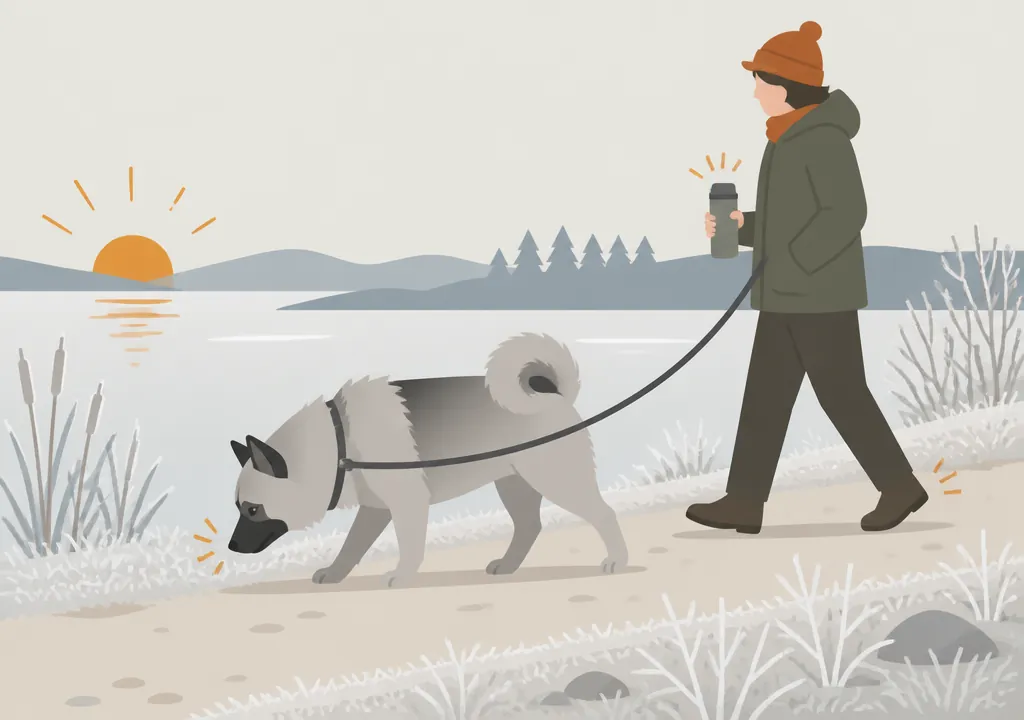 Nose down on walks
Walks that suit a scent-driven dog.
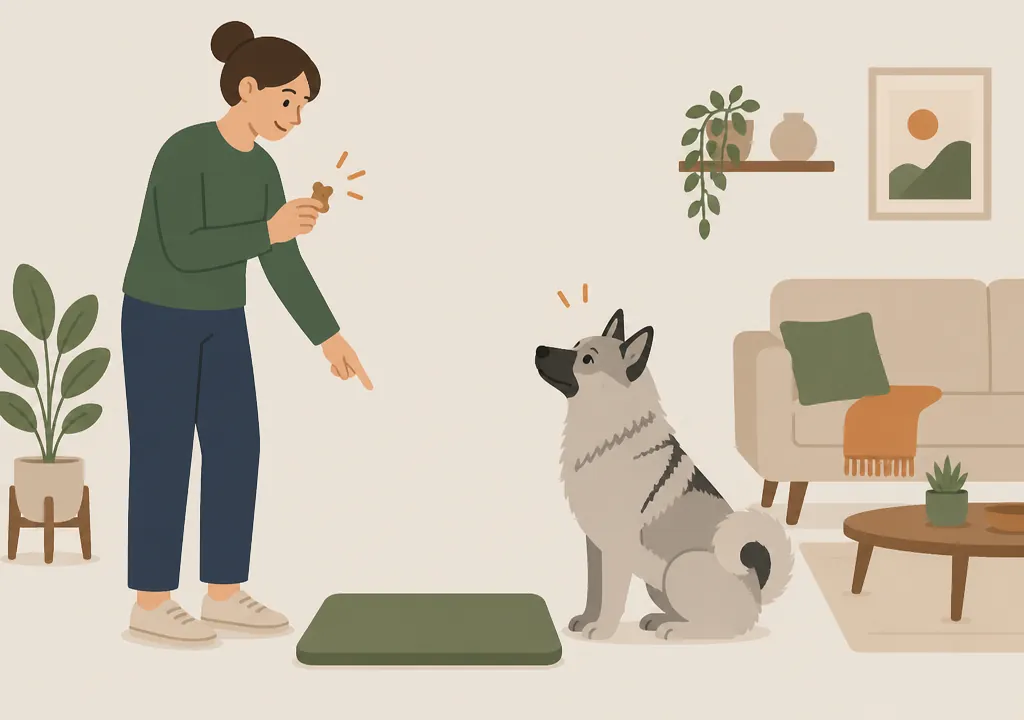 An independent streak
Rewards for a dog that thinks for itself.
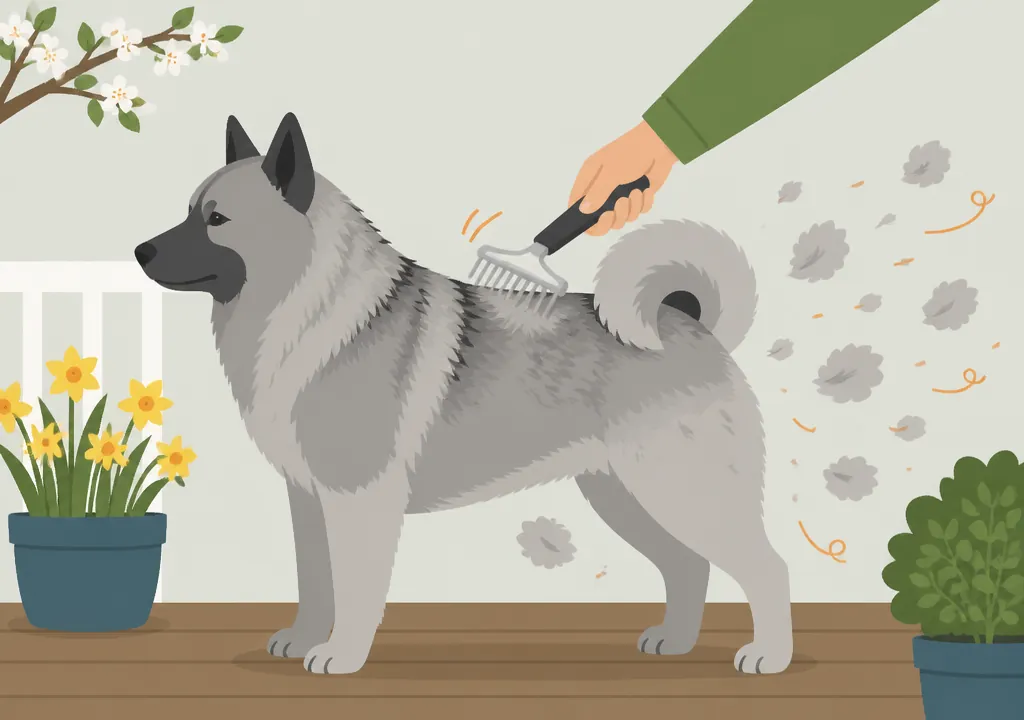 Shedding and brushing
Calm brushing for a thick double coat.
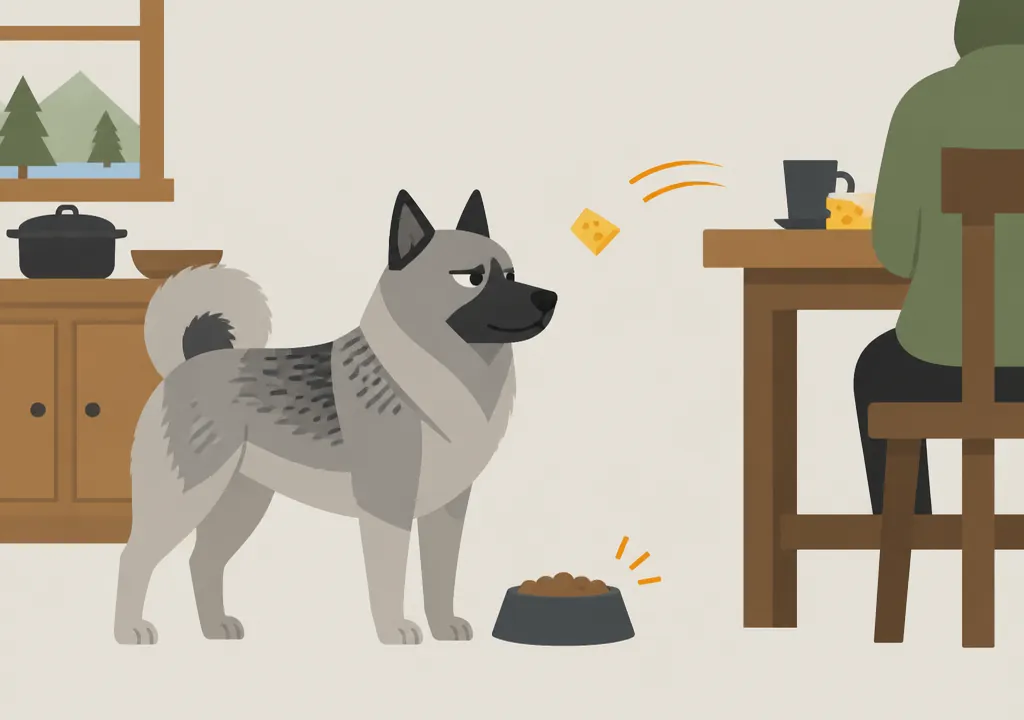 Guarding food
Trust around the bowl.
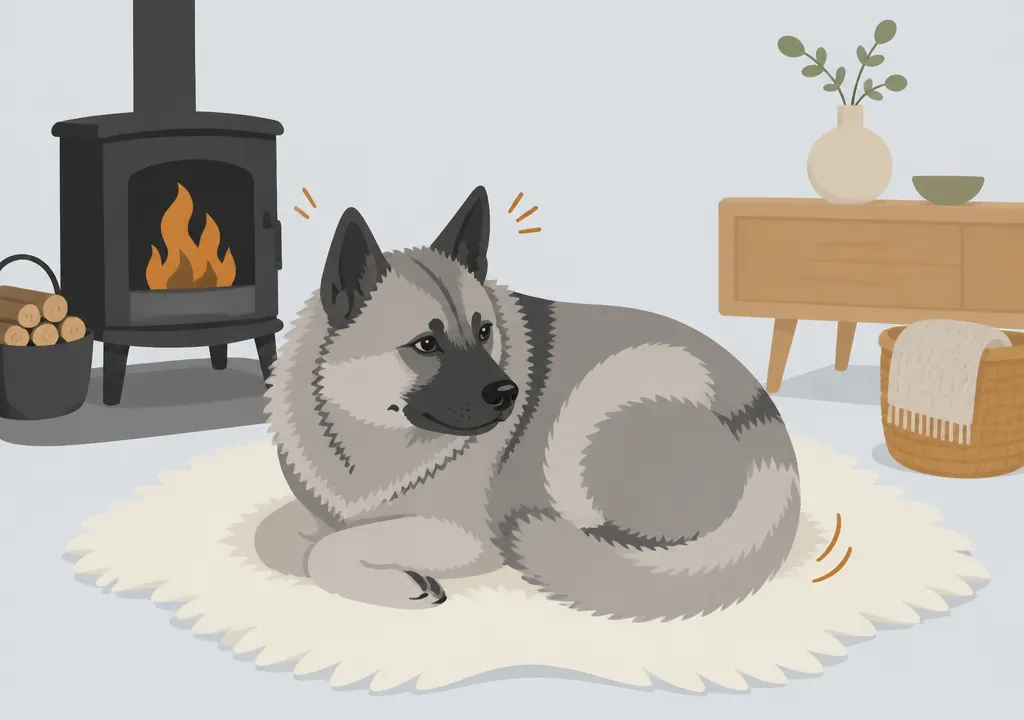 Time alone
Calm alone time for a pack dog.
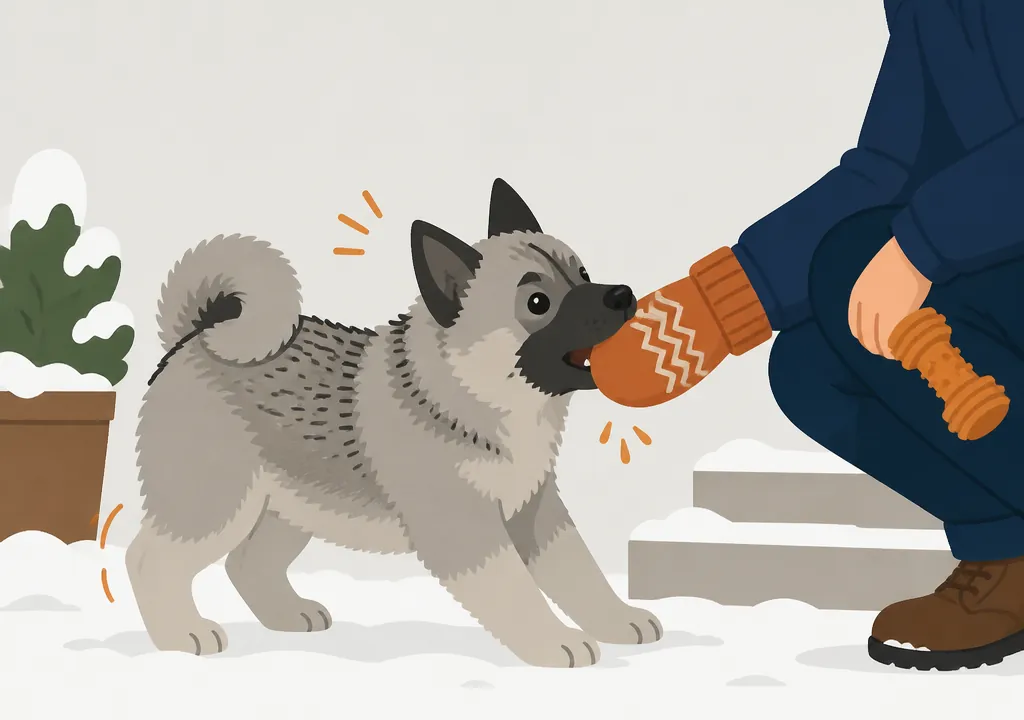 Puppy mouthing
Soft mouths from day one.
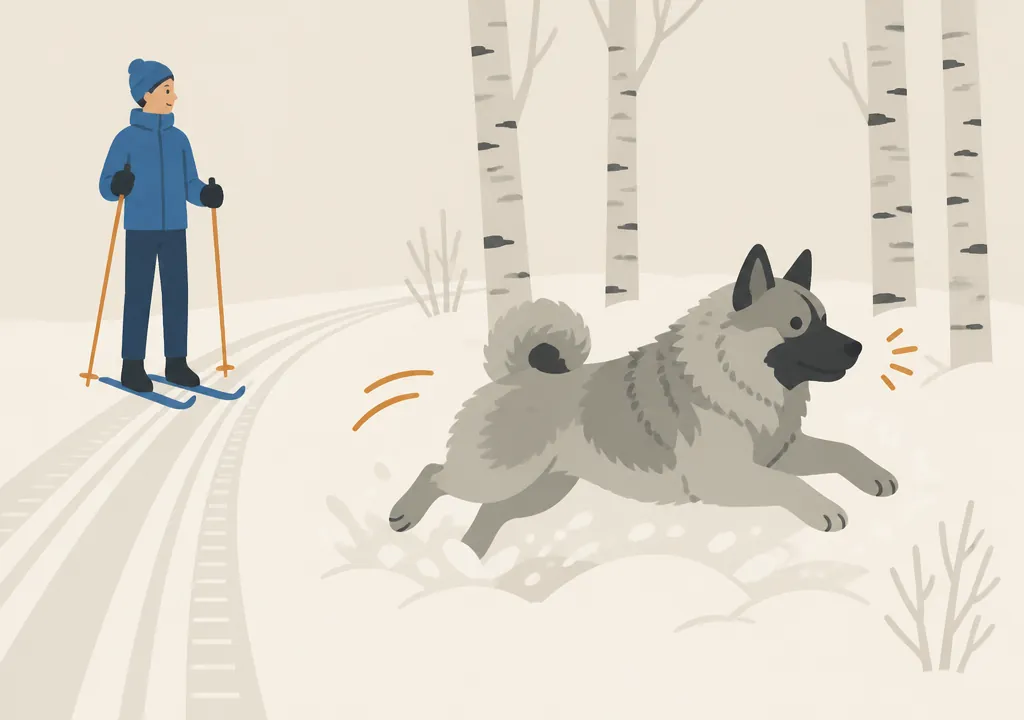 The teenage months
Patience with a bold young hound.
Norwegian Elkhound training guide
A bold, independent spitz who bonds hard but makes up their own mind on the trail.
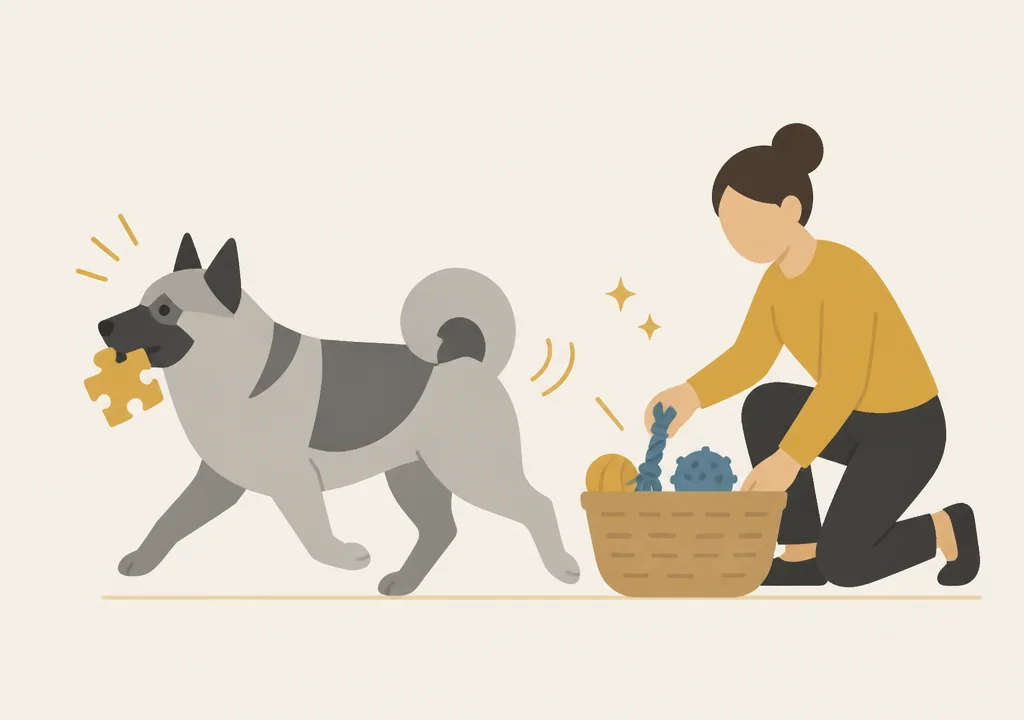
Rewards over repetition
An Elkhound is bold and independent, and repetition bores them fast. Vary the work, reward generously and keep sessions short, or the dog simply walks away.
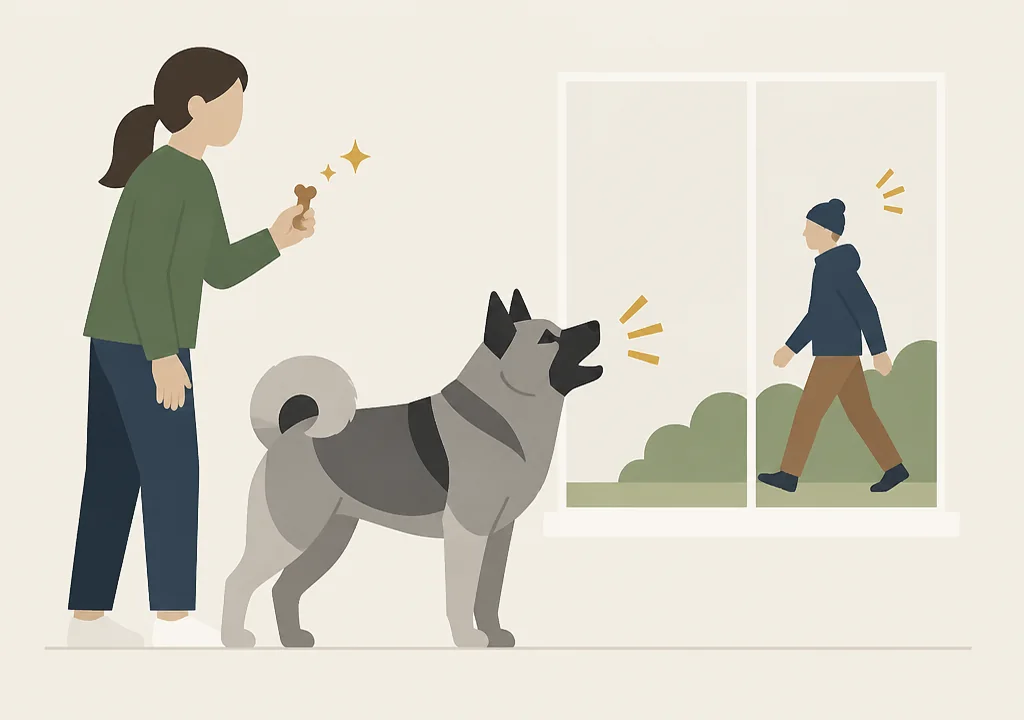
A big voice
The breed was bred to bark at work and still does. One alert bark is fine, then a quiet cue that pays, taught from the first weeks before the habit sets.
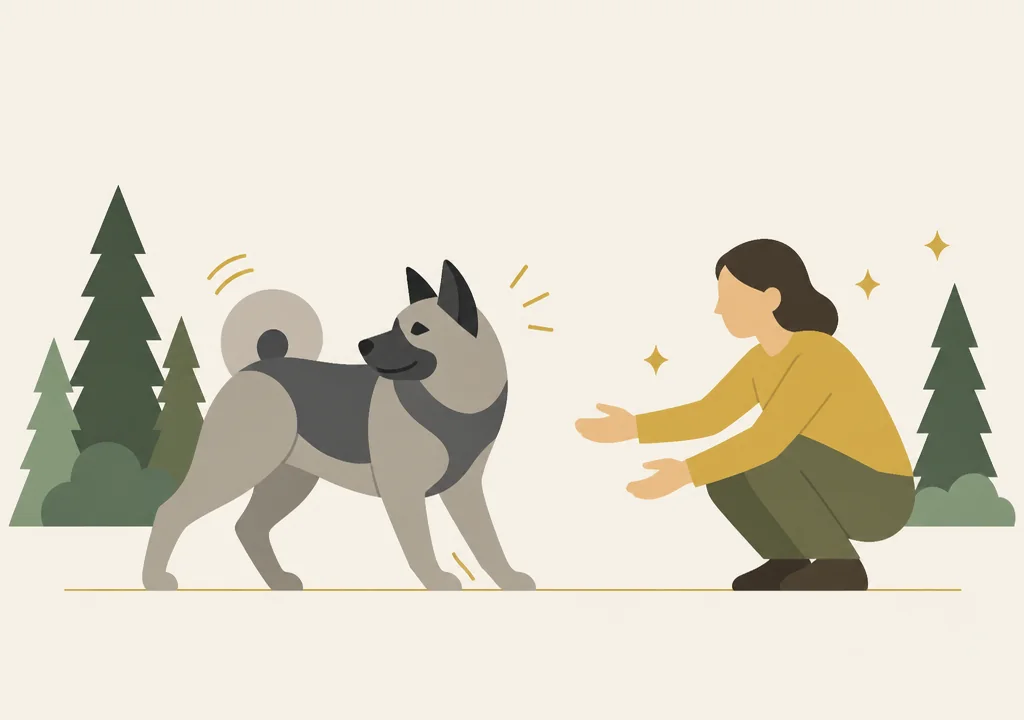
Strong recall drive
Scent and roaming pull hard on an Elkhound, so recall is built on a long line in quiet places first. A reliable check-in habit matters more than a perfect come.
Advice for every age
Most training works the same at any age. If you want extra help, pick a stage to see what often comes up then.
Little tracker
Gentle handling, first brushing and calm bowls.
Respect the instinct, teach the family dog
Elkhounds are bold and independent. We work with that nature, using rewards and scent games instead of force.
- ✓Rewards, never force
- ✓Scent work that tires the mind
- ✓Quiet treated as a skill