 Elkhound
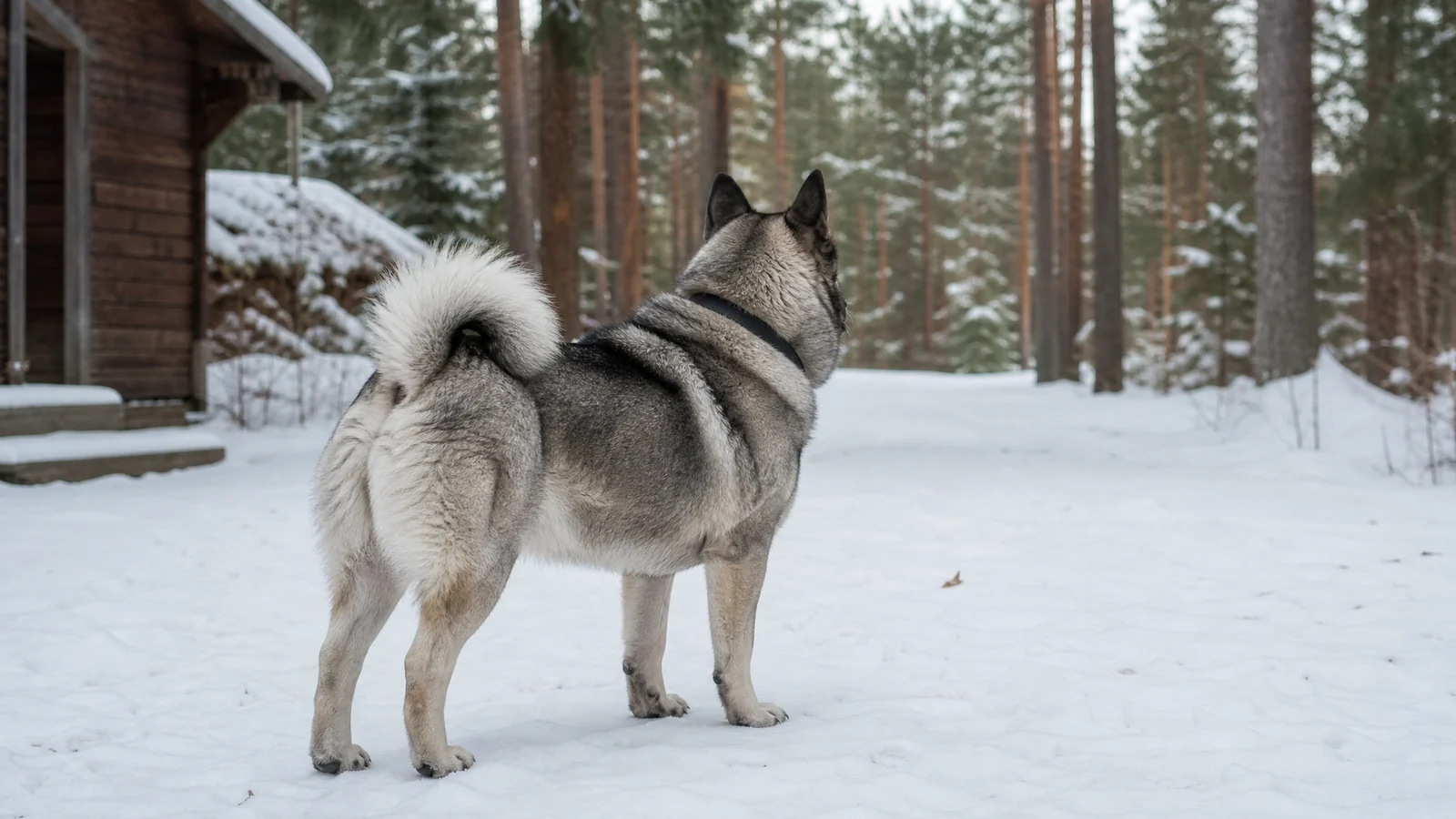
When a Norwegian Elkhound ignores a familiar cue, “stubborn” feels like an explanation. It is usually only a label for the moment the person and dog wanted different outcomes. Better training begins by asking whether the request was clear, affordable and worth answering in that environment.
An independent dog can still be highly cooperative. The handler's job is to design choices that make cooperation useful, then practice them before the hardest distraction arrives. In this guide, we will use a four-part audit, a reward menu and one-skill proofing grid, then measure whether the Elkhound returns to the task voluntarily. The aim is a dog who understands the offer and finds cooperation worthwhile across daily life and sports.
Independence Is Not a Dog Sports Verdict
The official Norwegian Elkhound standard describes dignity and independence of character alongside boldness and energy. Those traits are context, not a promise that every individual responds the same way. They also do not excuse unclear cues or unsafe behavior.
Historically useful independence means the dog may notice options that matter more than the handler's current plan. A scent trail, open gate or moving animal can outweigh a routine food reward. Training improves when the person recognizes that competition and changes the setup before asking again.
Cooperation is different from mechanical repetition. A dog can perform a cue several times, then decide the payoff no longer covers the effort. The site's Elkhound family-dog guide considers the wider household. This guide works at the level of one request by redesigning its value, clarity, cost and context before repetition begins.
Humane methods are appropriate for independent dogs. The AVSAB training statement notes evidence of better obedience with reward-based approaches. Clear boundaries can coexist with rewards, while intimidation adds conflict without teaching the wanted choice.
Audit a Norwegian Elkhound Training Job
Run the audit after a missed cue, not while repeating it. Write down the exact words, the dog's activity, the competing option and what happened immediately afterward. One honest snapshot reveals more than calling the dog headstrong across every setting.
Cue Clarity in Norwegian Elkhound Dog Sports
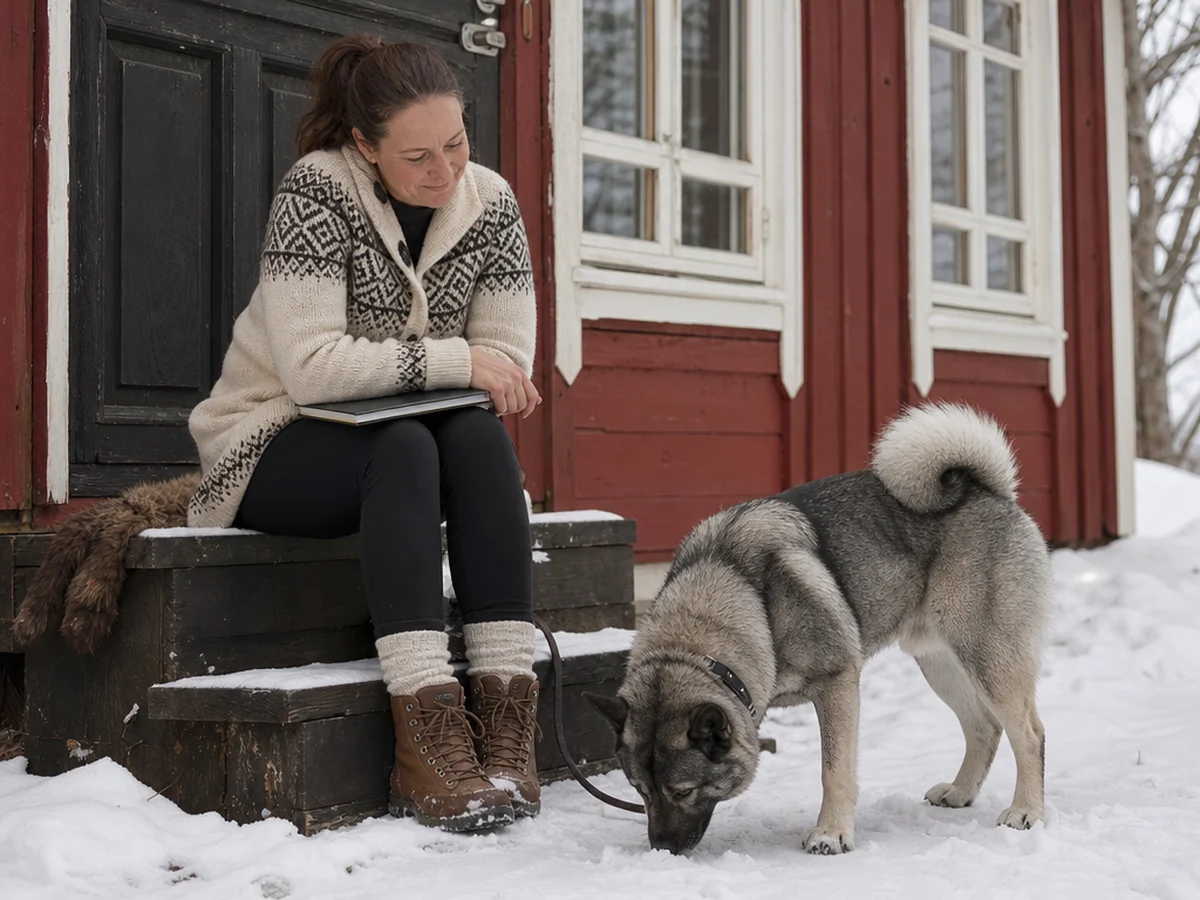
Clarity starts when every household member asks for the same visible action. People may use “down” for lying down, leaving furniture and stopping a jump, which creates three possible answers. Give each action its own word, and align the hand signal and body position before judging the response.
Reward Value Across Norwegian Elkhound Dog Sports
Dry food may work in the kitchen and fail beside a squirrel trail. That does not prove the skill is absent. It shows the environment raised the price. Use better food, a toy, permission to sniff or access to the next activity when the job competes with something powerful.
Task Cost During Norwegian Elkhound Dog Sports
A long stay on a wet surface, a recall away from play and a repeated sit on a sore body carry different costs. Shorten duration, change footing or reward the first movement toward the cue. A sudden reluctance around actions that were previously easy also deserves a veterinary conversation.
Environmental Readiness for Elkhound Dog Sports
Training fails when the setup gives the dog no workable answer. A loose dog at a busy trailhead may be too absorbed to practice a new recall. Add a leash, increase distance or move indoors so the handler can reward success instead of discovering the same limit again.
The audit has four separate answers because each problem needs a different repair. Better treats will not clarify a muddy cue, and louder repetition will not reduce physical discomfort. Change one variable, try once and record whether the response improved.
We use the missed response as a design note, not a character judgment. If clarity fixes the next attempt, keep the reward and environment stable. If nothing changes, stop rehearsing the miss and choose an easier setting where the dog can answer.
Price Dog Sports and Daily Jobs for a Norwegian Elkhound
Create a reward menu before training. List five things the dog values today, such as food, tug, chasing a tossed treat, door access or a sniff release. Rank them loosely by setting because value changes with hunger, arousal and the competing environment.
| Training job | Possible payment | Why it fits |
|---|---|---|
| Check in on a walk | Release to sniff | The environment supplies the reward |
| Leave the doorway | Food tossed into the room | Movement and distance support the choice |
| End a play burst | Short food search | The dog transitions without losing all activity |
| Settle during dinner | Safe chew on a mat | Duration receives ongoing value |
Pay early while the skill is being built. Waiting for a perfect response can let the useful first step pass unnoticed. Mark the head turn, weight shift or movement toward you, then raise the criterion only when that piece is fluent.
Reward Timing for Independent Jobs
The RSPCA training guide explains that rewarded behavior becomes more likely. For an independent Elkhound, the key is identifying what functions as a reward in that moment. Praise may matter in one context and be irrelevant in another.
Avoid displaying food before every familiar cue once the behavior is established. Ask once, mark the response and deliver the reward from a pocket or station. The dog learns that the cue predicts an outcome without requiring the payment to be shown in advance.
Keep surprise value in the menu. Most easy responses can earn ordinary rewards, while occasional excellent choices earn something exceptional. A dog who leaves a scent trail promptly should discover that rare cooperation can open a generous payoff.
Review the menu weekly because preferences shift. Warm weather may lower interest in active play, while a new environment may make sniff access more valuable than food. The reward should remain safe and practical, but it must matter to the dog in that setting.
Bounded Choices for Independent Elkhound Jobs
A bounded choice offers two acceptable paths. At the door, the dog may stand on a mat or sit beside the handler before it opens. During a break, the dog may sniff in a defined patch or carry a toy. The person sets the boundary, and the dog gains agency inside it.
Choice is useful because it reduces unnecessary conflict, not because every decision belongs to the dog. Safety rules remain consistent around roads, wildlife, children and other animals. A leash, gate or closed door protects those rules while the cooperative behavior is still developing.
Teach Each Choice Before Combining Them
Teach both options separately before presenting them together. If mat work is fluent but the alternative is unfamiliar, the choice is not balanced. Practice each action in a calm room, then use a consistent phrase and gesture to offer the pair.
Accept the chosen option when it meets the stated need. Repeatedly steering the dog toward the handler's secret favorite makes the choice meaningless. If only one outcome is safe, give one clear cue and reward it rather than pretending there are alternatives.
Bounded choices can support visitor barking work for Elkhounds. A dog who can move to a mat or leave the room has a practical response when the household becomes busy. Adults still supervise and prevent children or guests from crowding the dog's space.
Use choices during sports warmups too. The dog might begin with a hand target or a short search, then move into the planned exercise. Starting with an easy choice gives the handler information about readiness before asking for a more demanding job.
Proof One Norwegian Elkhound Job
Choose one request that matters daily, such as coming away from a door. Define the observable response as turning and moving three steps toward the handler. A precise definition keeps the family from rewarding different versions or asking for an entire chain at once.
- Practice with the door closed and no person outside.
- Add a hand on the handle while the dog remains several feet away.
- Open the door a small amount behind a secure barrier.
- Add a familiar person at a distance beyond the doorway.
- Practice at a second door with the easier setup restored.
At each level, ask once and reward the first correct movement. If the dog does not respond, close the door or increase distance. The consequence is loss of that immediate opportunity, not scolding. The next repetition becomes easier enough to earn.
The Proofing Grid Changes One Variable
Use a proofing grid with three columns: location, distraction and duration. Change only one column at a time. A new location gets an easy distraction and short duration, while a longer response stays in the familiar room.
Short sessions suit this process. Stop after a few useful repetitions and return to ordinary life. Drilling until the dog disengages teaches the handler to ignore early signs of fading attention, which is the opposite of responsive cooperation.
Generalize with different family members only after they agree on the cue and reward. The dog's response may weaken when posture, timing or voice changes. Return to an easy version and let the new handler build their own reinforcement history.
Transfer the Job Into Sport
Then move the same job into one sport or outdoor setting. Keep the response short, restore the strongest reward and choose a location with an easy exit. Daily-life fluency is the foundation, but the new context still deserves its own careful reinforcement history.
If performance fades after several successful repetitions, end the session before disengagement becomes the pattern. A short pause, a drink and a sniff break may restore readiness. Continuing to drill only teaches the dog that answering once creates an exhausting chain.
Cooperation in Dog Sports and Daily Life
Progress looks like quicker voluntary re-entry after a distraction. The Elkhound turns back sooner, offers a check-in before being asked and can take a lower-value reward in familiar settings. Those changes show that the working relationship is becoming predictable.
A missed cue remains information. If failures cluster around one surface, body movement or time of day, investigate that pattern. Changes in comfort, hearing or vision can alter behavior, so regular veterinary care belongs beside the training plan. Stop a session that produces a sudden or unexplained reluctance.
Do not punish growling, freezing or avoidance in the name of obedience. Those signals may precede a bite or reveal fear. Increase distance, prevent another forced encounter and seek a qualified reward-based professional when safety or aggression is involved.
Independence does not need to be erased for training to work. Choose one daily request, run the four-question audit and improve the weakest part of its design. When the dog starts returning to the task by choice, cooperation becomes a shared habit instead of a demand that must be enforced.
 BehaviorProtective or Possessive? Handling Guarding Behavior Kindly
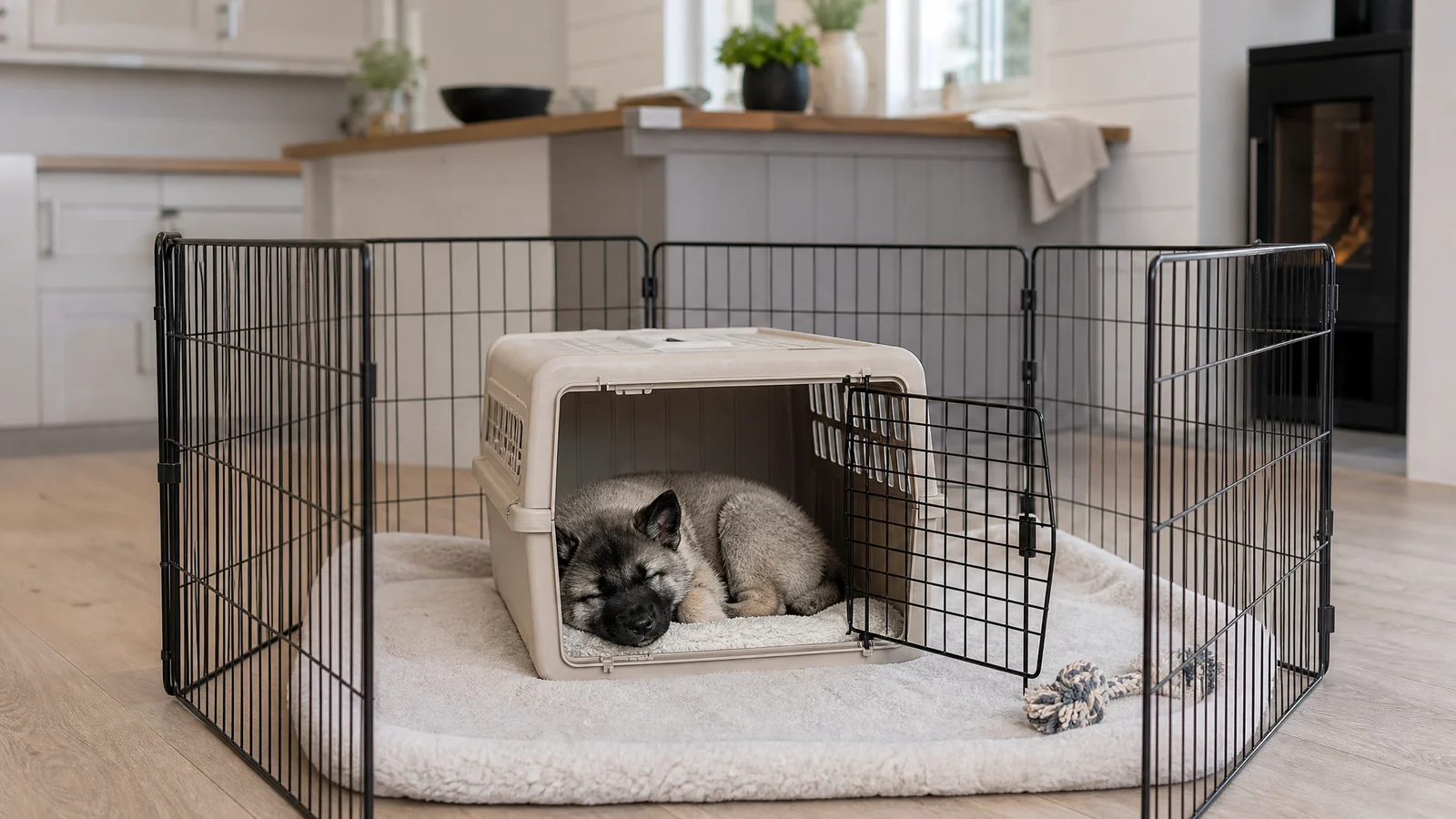 Puppy trainingTeaching an Elkhound Puppy to Settle Alone and Love the Crate
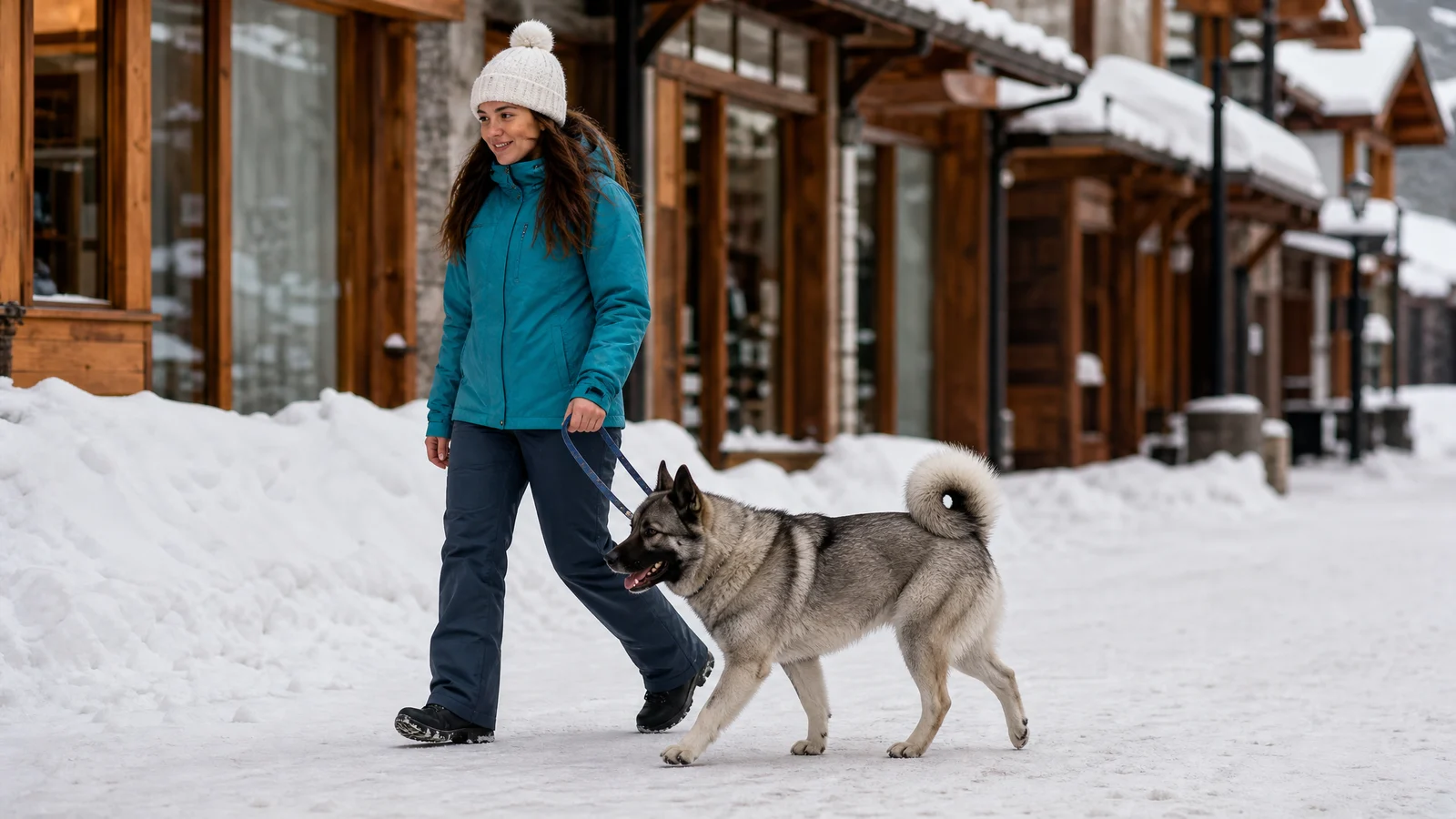 Puppy trainingNorwegian Elkhound Teen Months: Patience With a Bold Young Hound